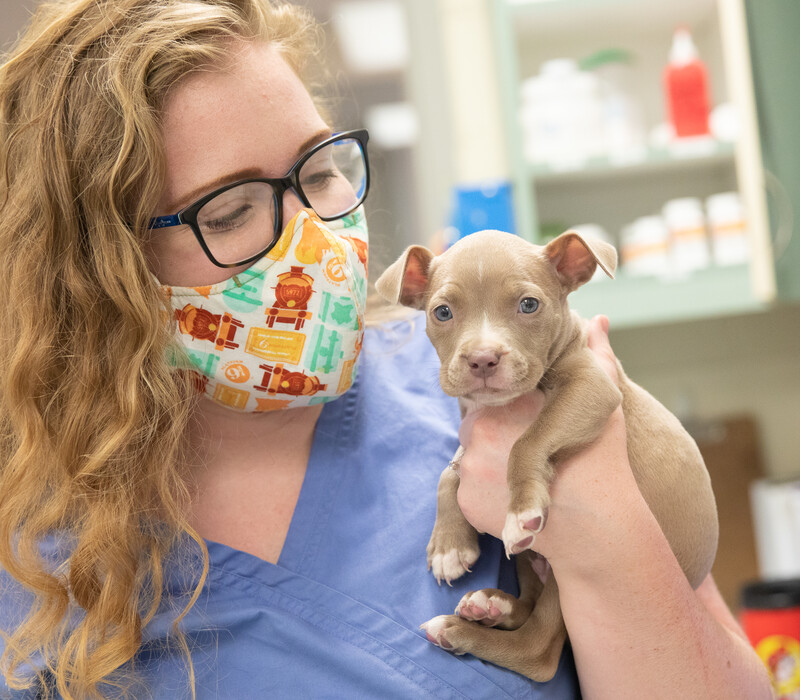
Animals can’t speak for themselves; they need you. Learn about animal welfare issues and take action on their behalf.

Advocate
Be an animal defender
I pledge to protect animals, speaking up for those who do not have a voice, and supporting compassionate policies in my community and beyond.
Together, we can make a difference
See our advocacy and positions on current animal welfare issues
Action Alerts & Updates:
Advocacy resources
Courtesy of Jennifer Martin, adjunct clinical instructor at the UM School of Public Health and former HSHV board member
Step 1: Identify the issue you are concerned about
- Think about the issue at hand and what exactly you want to see changed. Work to gather information on the issue from all sides, including arguments both for and against the change you want to see made.
Step 2: Identify a clear goal for your advocacy
- Creating a goal that is realistic and will have an impact is one of the most important steps in effective advocacy work. Start off by developing an “ask.” When doing this, consider what it is you want to accomplish. Is it a new law? A regulation? Be as clear as possible about what you are asking lawmakers to do and if appropriate, include the following:
- Specific legislation involved
- The lead sponsor of the legislation
- Timing of any future actions
Sample “ask”: I’m writing to urge you to vote “no” on House bill 5917, sponsored by Rep Vaupe, which would prohibit local governments from enacting rules that regulate pet shops. If this bill passes, any city or county wishing to prohibit pet shops from selling puppy mill puppies would be unable to do so. Ordinances already passed by Michigan cities to prohibit the sale of puppy mills would e revoked. This bill we e considered on the floor of the House next week.
Step 3: Identify the Decision Maker
- When planning, it is important to think about who is going to be making any decisions regarding the issue you are concerned about. Will it be Congress? Is there a subcommittee? Your local Mayor? Focus all communication and efforts engaging those who will be a part of the decision making process for your particular issue.
Step 4: Affiliate/Build Coalition
- Strength comes in numbers. Connect with local groups and organizations who share your goal and build and mobilize grass roots efforts. Because elected officials really listen to their constituents, the more stakeholders you can engage in your efforts, the better.
Step 5: Identify Opportunities to Engage
- One of the most effective ways to bring your issue to an elected officials attention is by engaging with them in a variety of ways. Attending town hall meetings, writing letters, inviting staff to events and conducting in person meetings are all great ways to communicate your goal.
More tips:
- Be prepared: have information, questions and expertise readily available.
- Be professional: dress the part! Engage in polite, respectful way and be mindful of body language and your overall approach. Refrain from things like gum chewing and having your cell phone.
- Be Persistent: offer your assistance, write thank you notes and maintain contact.
Use the links below to find out who represents you. The more your elected officials hear from you, their constituent, on animal welfare issues, the more likely they are to make it a priority for them to address. Your phone call, email or personal visit makes an impact!
Your local representatives
Find your Ann Arbor City Council Representatives
Find your Ypsilanti City Council Representatives
Saline City Council – Plymouth City Government
Find your Washtenaw County Elected Officials
Your state representatives
Find your Michigan State Representative
Find your Michigan State Senator
Find your national representatives
U.S. House of Representatives: Find your Congressional Representative
U.S. Senate: Contact Michigan Senators Gary Peters and Elissa Slotkin