

Appeasement behaviors in dogs are easy to miss and often misinterpreted. Humans often perceive these conflict-reducing behaviors as cute or affectionate, when they are often an indication of conflicted or anxious feelings. These behaviors are common during greetings with new people, when the dog feels the other dog or person they are interacting with is distressed, or if the dog themself is worried about something.
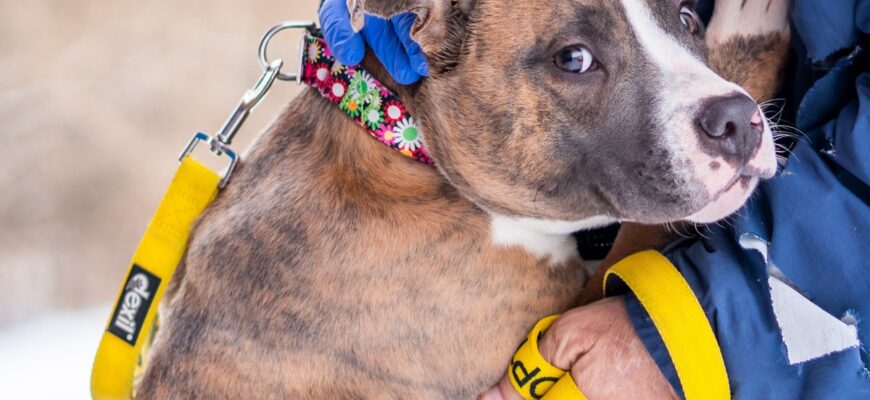
Dogs express their discomfort with a variety of behaviors. Many of the behaviors that fall under the “appeasement behavior” label also fall on the lowest rungs of the “ladder of aggression.” These behaviors are often subtle and are easily missed by the untrained eye. Considering the context of the behavior and the entirety of the body language can always help us correctly identify a behavior’s function. Many dogs might lick you or another dog when they are feeling uncertain, usually by getting up in your face or another dog’s face and licking their mouth. You may see dogs lifting one of their front paws or turning their head away from a new person or dog. These behaviors are used to de-escalate situations the dog may find scary, trying to communicate that they are not a threat. Other behaviors are a little more recognizable to us: tucked tails, freezing, and holding their body and head low. Some dogs may “submissive pee,” especially when approached or touched by an unfamiliar person.
Once we can recognize these behaviors, we can start responding to them appropriately in ways to make the dog more comfortable. If you are the owner or handler for the dog who is showing appeasement behaviors, consider removing them from the situation that is making them stressed if you can. If you are the new or novel person who the dog is nervous about, consider turning sideways, crouching down and avoiding eye contact. Toss treats towards them from a distance and avoid entering or encroaching on their space, including reaching towards them or offering treats directly from your hand. If the dog approaches you and shows appeasement behaviors, consider tossing a treat away from you to show them that they have the choice to create distance when they are uncomfortable and allow them to re-approach you in their own time. Watch to see if their appeasement behaviors seem to be decreasing with time — and if they aren’t, or their stress seems to be increasing consider ending the interaction with that dog. Using your skills to correctly identify behavior in dogs can help you be a better advocate for their emotional needs.