


I want to share something that’s been weighing on me because pet parents deserve honesty. There has been a shift in the veterinary field, and its consequences for animals and the people who love them are serious.
You may have noticed that veterinary medicine used to feel different. It was local. Relational. Not perfect but built on trust that the person treating your pet was guided by medical judgment and compassion — not corporate growth targets.
Over the past decade, the veterinary industry has been quietly but rapidly consolidated by corporate giants and private equity firms. An estimated 25–30% of U.S. veterinary practices are now corporately owned, up from single digits just ten years ago.
Wall Street didn’t stumble into veterinary medicine. It recognized something powerful: our love for our animals is unwavering — and profitable.
At the center of this consolidation sits Mars. Known to most of us for candy, Mars is now, as The Atlantic noted, “the largest owner of stand-alone veterinary clinics in the United States,” operating thousands of practices under brands like Banfield, VCA, and BluePearl.
But Mars’ reach extends far beyond veterinary clinics. They own some of the world’s most widely used pet-food brands — including Royal Canin, Pedigree, Iams, Eukanuba, and Whiskas — as well as Antech Diagnostics.
In an industry with minimal government oversight, a single corporation now exerts significant influence over what animals eat, the tools used to assess their health, and the hospitals that treat them when they get sick.
This concentration of power raises critical conflict-of-interest questions—especially given that even though we spend more than ever on pet food, recent independent testing found high levels of mercury, lead, and other known carcinogens in dozens of popular dog food brands.
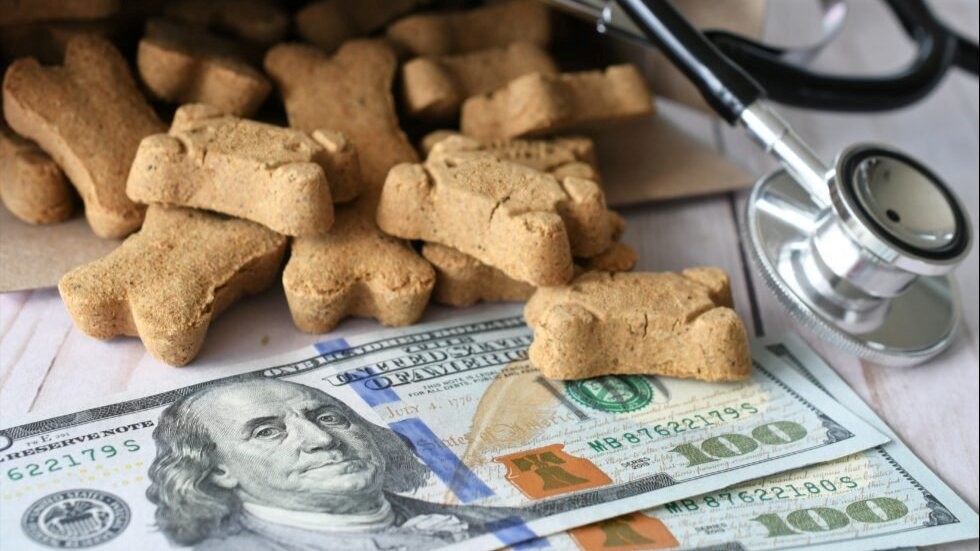
CPI data analysis shows veterinary prices up nearly 50% since 2019, far outpacing inflation. While rising supply costs and labor shortages play a role, there’s also been a shift that prioritizes financial targets over patient need.

Walk into many vet hospitals, and the first conversation centers on staggering cost estimates. “Upselling” is common. Some families stretch to pay whatever is asked, believing it’s the right thing to do. Others are forced to make life-and-death decisions based only on what they can afford.
Exacerbating this is the rapid pace of veterinary technology. Advances in diagnostics, imaging, and specialty care may be an upside of corporate investment but also cost thousands and may still provide no clear answers. With no natural stopping point, families must draw their own line, often carrying deep guilt for limits set by money rather than love.
We see the consequences every day. Animals suffer longer than they should. Some are surrendered to shelters. Some are euthanized for treatable conditions. For already struggling families, a single emergency can mean missed rent or mounting debt. Recently, while at an emergency hospital with my own pup, I watched a distraught family with a toddler pull out all their cash and two credit cards to try to cover the bill.
At HSHV, families often come to us in crisis after draining their bank accounts elsewhere, with their animal’s life still hanging in the balance.
And for many families, the crisis is not emergency or advanced care — it’s basic care. According to “The State of Pet Care,” an estimated 50 million pets in the U.S. live in homes without access to veterinary care.
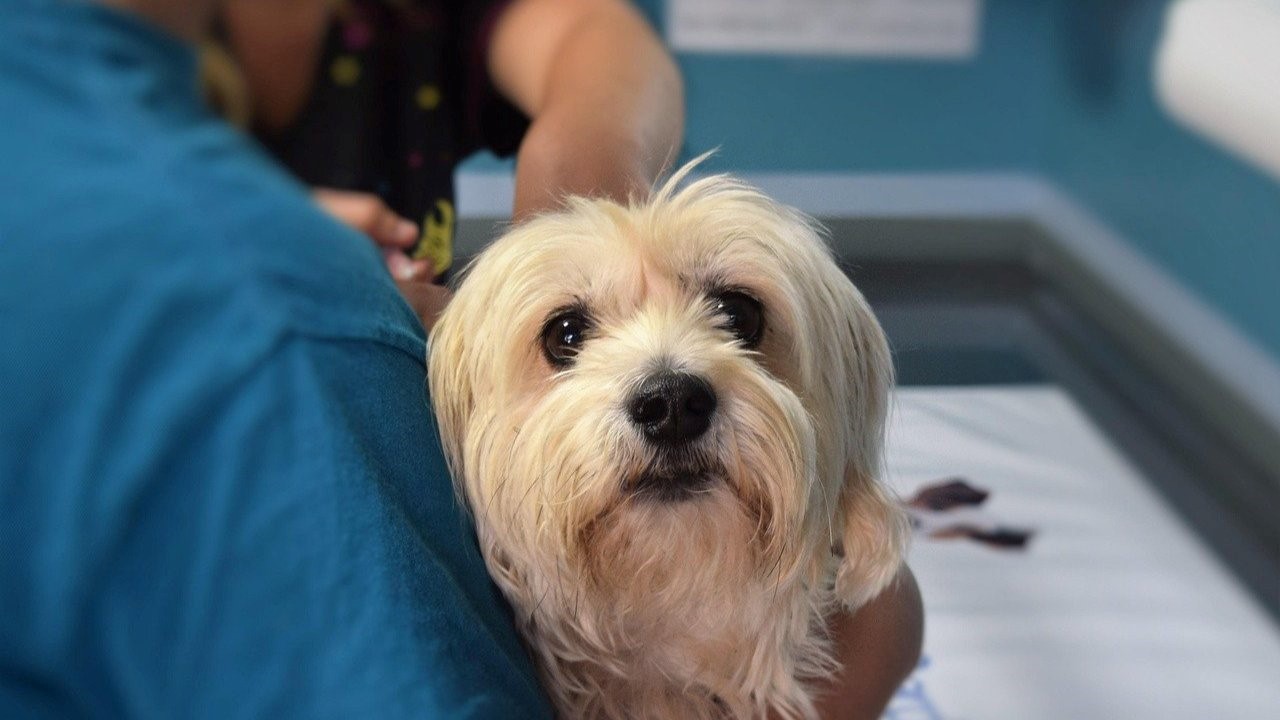
I want to be clear: this is not an attack on veterinarians.
Veterinary professionals work extremely hard and do emotionally grueling work. Many carry crushing student-loan debt to fulfill their dream of helping animals. Increasingly they are caught between their ethics and corporate pressure.
We operate our own clinic at HSHV and understand the hefty financial realities of sustainability. But we are not driven by shareholder returns. We offer free and reduced-fee vet care for many in need. Through our Friends for Life program, donor generosity provides a lifeline to people who love their animals but simply cannot afford treatment.
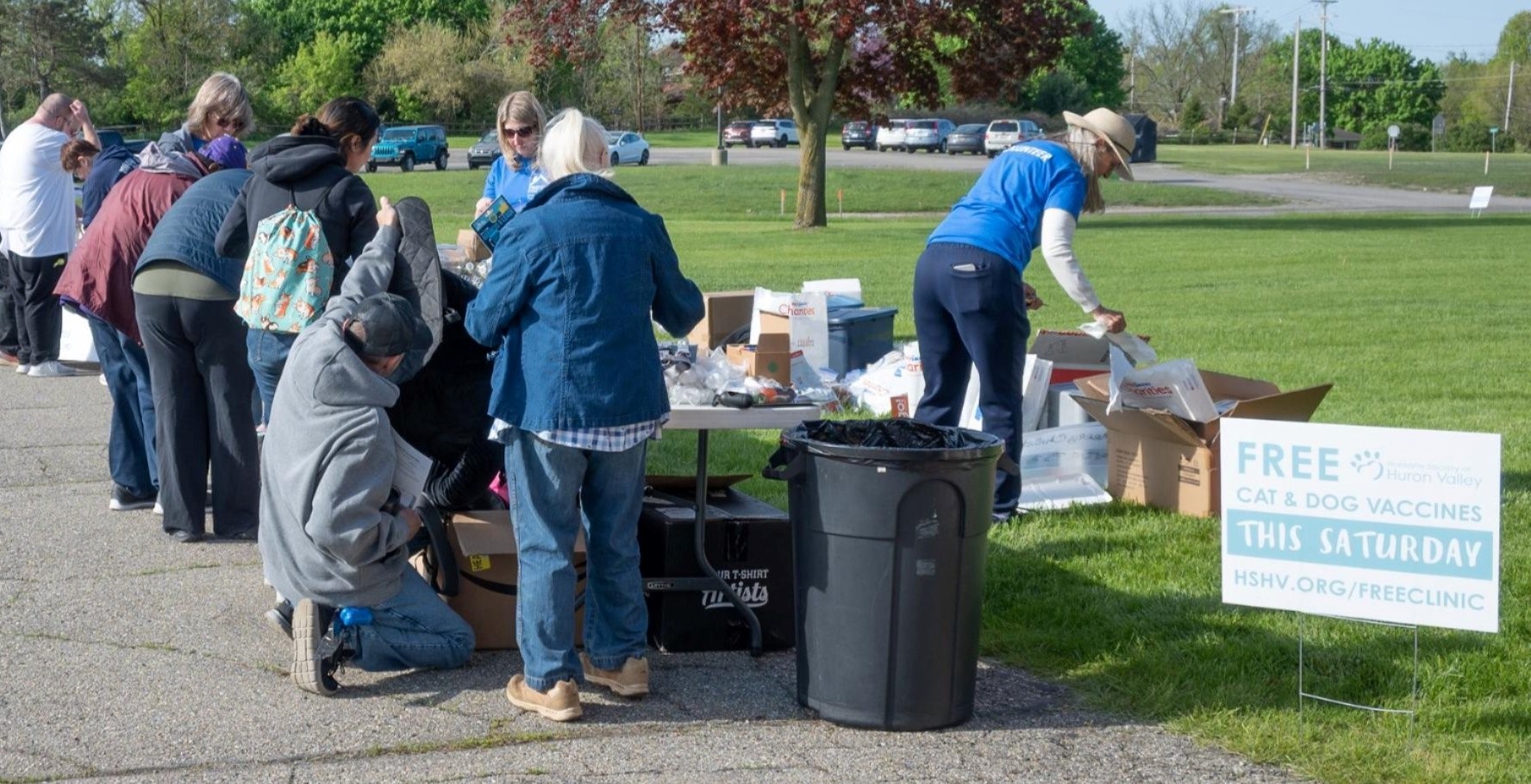
But charity alone is not the solution.
Nonprofits should not be permanent shock absorbers for unchecked greed. Yes, corporations do sometimes make generous donations. But sometimes those donations serve to silence criticism. As the saying goes, “Don’t bite the hand that feeds you.”
There are no easy fixes, and we can’t simply choose not to go to the vet. When possible, supporting locally owned veterinary clinics is one practical step. But know that these economic trends influence the entire system.
We need transparency in clinic ownership, serious antitrust enforcement, and stronger oversight and accountability within the entire pet industry.
We need to challenge any system that exploits love as a business model.
At HSHV, we will keep helping. And we will keep fighting. Because compassion requires both immediate action and the willingness to confront systems that cause harm.
Yours in the struggle,

Tanya